
Games for Seniors
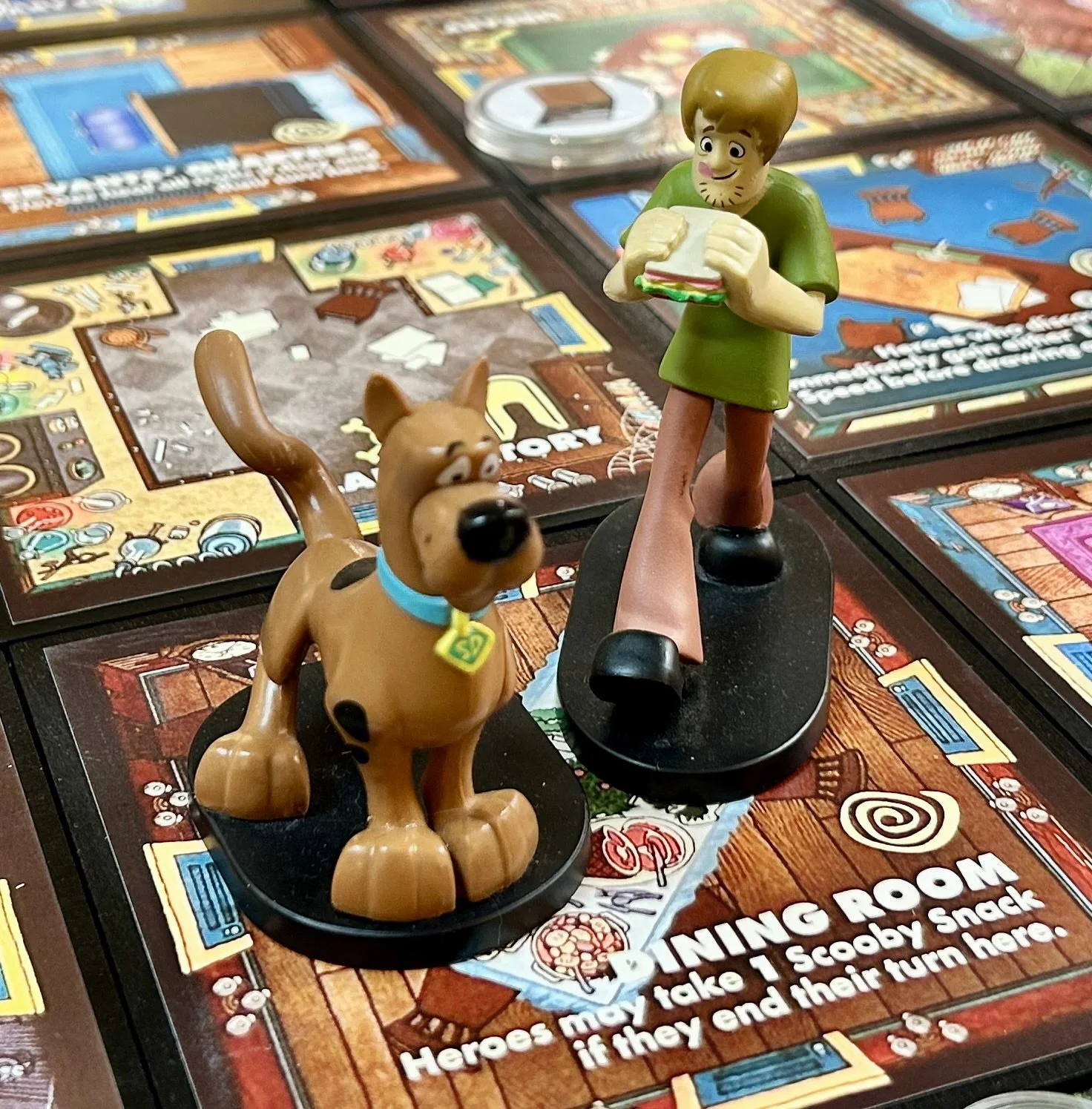
Scooby Doo Betrayal at Mystery Mansion
Play Matters
If for no other reason, we play because play is fun. No research needed to tell you that. We’ve each known it as long as we remember. Only since the 1990’s has research on the impact of play for adults began in earnest, in part due to the increasing number of older adults globally. Beginning around the same time the world experienced an explosion of very new types of tabletop games, now being called the “golden age” of modern board games.
Playing games brings people together. Games evoke laughter, conversation, shared experiences, and fun memories. Modern board games that are selected and taught to others with care and purpose become powerful tools for connection and wellbeing.
Meaningful social interaction and mental exercise are essential to our health and wellbeing at every stage of life. Finding opportunities to join others, meaningfully engage with them, and have fun together can be a challenge. People are looking for activities that are easy to learn, create interaction with others, and are fun.
Teamplay Workshop delivers thoughtfully facilitated game experiences to you that support and enhance social connections, cognitive health, and emotional wellbeing.
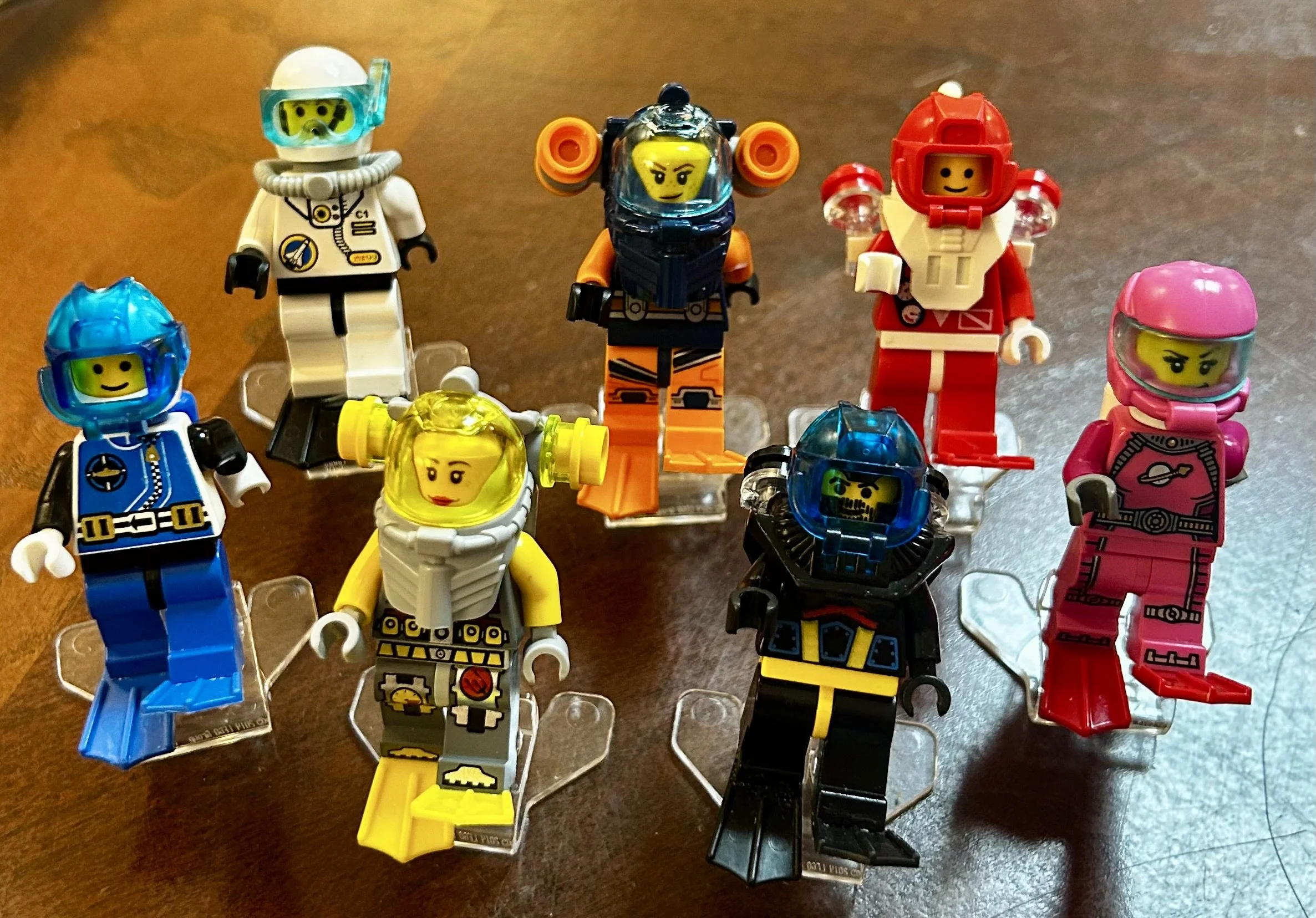
Deep Sea Adventure
The Research - Cognitive Health
“Playing board games is a recreational activity that promotes exposure to novelty, taking initiatives, planning, adaptation to winning or losing and brings immediate pleasure to participants. Other stimulating leisure activities like reading, travelling, gardening, doing odd jobs or playing sports do not offer the same advantages and ease of practice. Thus, playing board games could be a particularly relevant way to preserve cognition and to prevent cognitive decline or dementia.
Using data with 20 years of follow-up, which is one of the longest durations of follow-up in the world for a population-based cohort, we now show that board game players have a 15% lower risk of developing dementia than non-players. This reduced risk does not seem to be only a short-term effect, as previously reported, but is also a long-term effect with a reduction observed one or even two decades after the baseline collection of this popular leisure activity. The association between board game playing and the risk of dementia remained robust after adjustment for confounding variables such as age, gender, educational level, marital status and presence or absence of stroke or diabetes.”
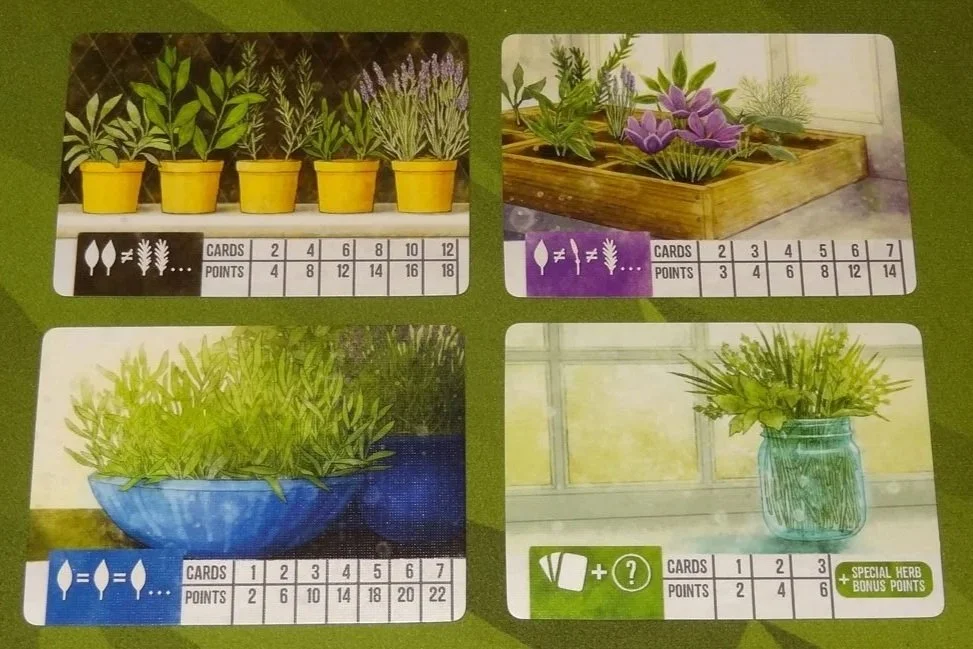
Herbaceous - a game about potting plants
The Master Game Facilitator
“. . . given the importance of choosing the right board game with an appropriate level of difficulty, play educators represent a very important professional figure: they can be beneficiaries of specific training programs and leaders of board game activities with older people as players. In conclusion, board games can effectively promote positive aging, provided that an appropriate difficulty level is selected. Offering board games with varying and progressively challenging difficulty levels could enhance engagement, and involving experts in game selection and facilitation would further optimize these activities for older adults.”