
Beyond Bingo and Bridge: How Modern Board Games Support Cognitive Wellbeing and Social Connection
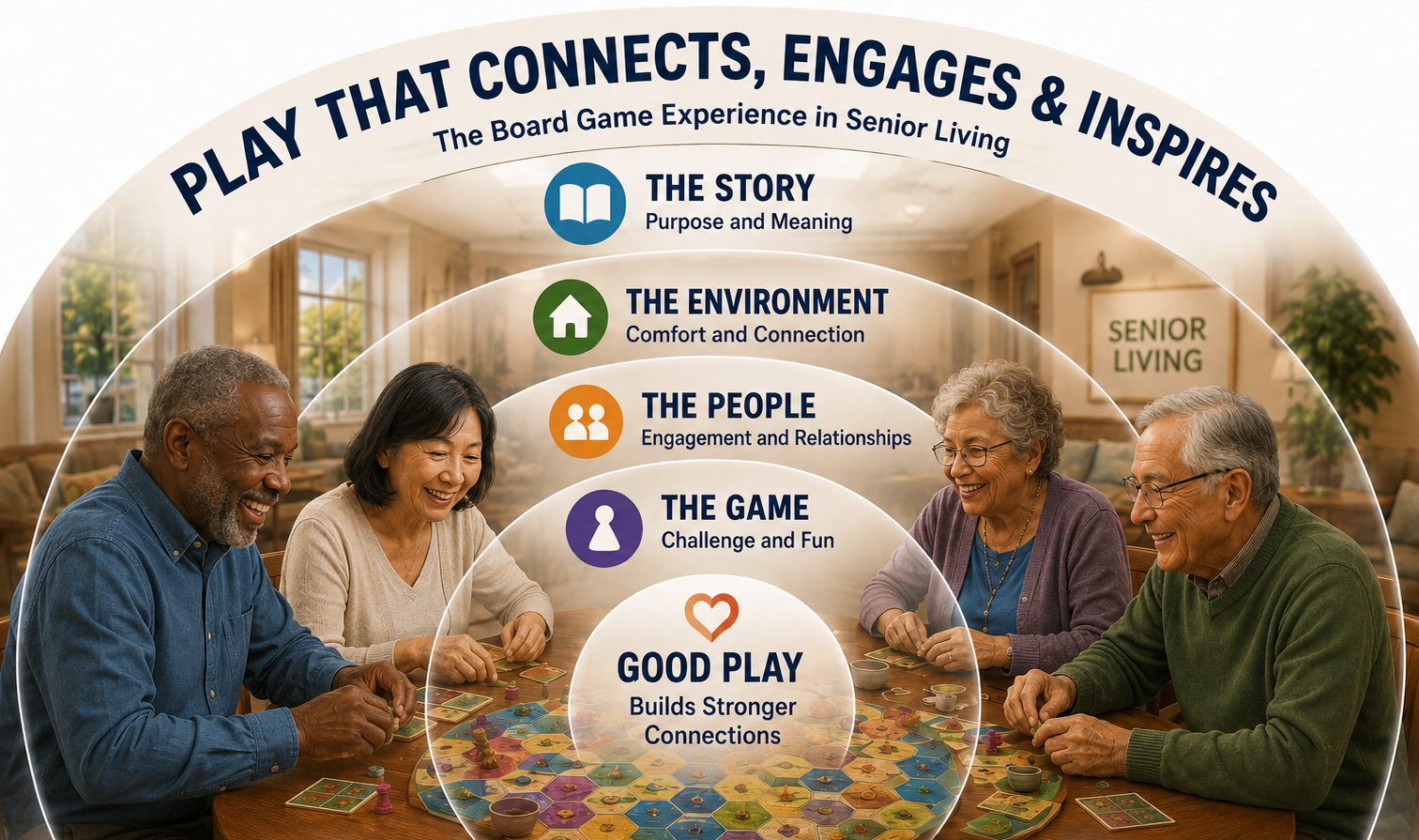
The game experience goes way beyond the board, rules, cards, and pieces.
Senior living communities continually seek meaningful ways to enhance resident wellbeing. Modern board games deserve a closer look—not simply as recreation, but as evidence-informed tools for promoting cognitive wellbeing, social connection, and joyful engagement.
Board games, thoughtfully selected and skillfully facilitated, are far more than entertainment. Research shows they support cognitive wellbeing, strengthen social connections, reduce loneliness, and create moments of accomplishment and joy. In short, they represent an evidence-informed wellness intervention.
The Growing Evidence for Board Games
Growing research in the past decade shows how playing games influences healthy aging. Long-term studies found that regularly playing board games is associated with slower cognitive decline in later life.
A 20-year cohort study of 3,675 dementia-free community members aged 65+ found those who regularly play games had less cognitive decline. They scored better than non-players on the MMSE, a questionnaire that screens for cognitive impairment, evaluates mental abilities, and tracks changes in thinking skills over time. They also had a 15% lower risk of developing dementia.
A seven-decade longitudinal study found people who regularly played board games had higher cognitive function at age 70, particularly in memory up to age 79, after controlling for childhood cognition, education, social class, and health.
Loneliness and social isolation are significant health concerns at all ages, particularly among older adults. Research consistently links strong social relationships with better health, improved mental wellbeing, less depression, and increased longevity.
Board games create experiences that encourage interactions among the players. Games naturally create conversation, laughter, cooperation, storytelling, and shared experiences.
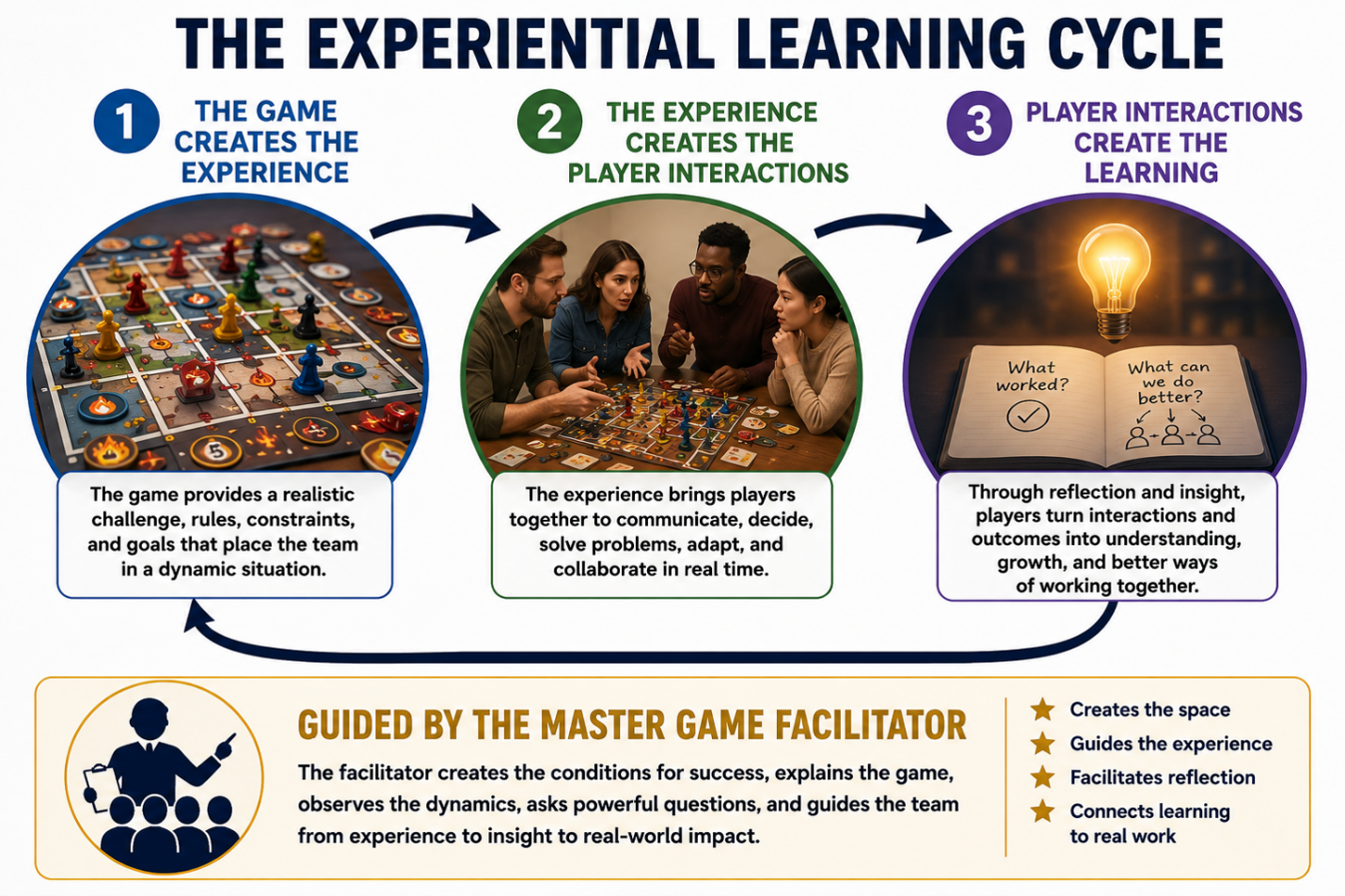
Games are specifically designed to create structured interaction. Every turn requires players to observe, communicate, solve problems, make decisions, and respond to one another. Those repeated social and cognitive interactions, not simply playing the game itself, are what make board games such powerful tools for healthy aging.
In short, the fun and challenge of the game get us to the table, playing the game stimulates our brains, and playing with others creates social connections.
Modern Games vs Traditional Choices
Many senior communities offer residents classics like Bingo, Dominoes, and card games. These remain valuable activities and provide, at some level, the benefits described above.
Over the past two decades, a modern board game renaissance has introduced hundreds of beautifully designed games, providing much richer opportunities for interaction than those traditional games.
Modern games are easy to learn yet reward players with deep, meaningful decisions rather than relying on memorization or luck alone. Modern games avoid player elimination, reduce frustration, and encourage cooperation rather than competition.
Even competitive modern games emphasize enjoyable decision-making over eliminating players or punishing mistakes. You typically have so much fun that even if you lose you want to play another round! Many games are cooperative. The players work together to beat the game itself, not each other.
A Master Game Facilitator Makes a Difference
Games are wonderful tools for cognitive wellbeing and social connection. Anyone can buy and play them.
Selecting the right games requires an understanding of game mechanics. Teaching and guiding the players requires group facilitation skills. A Master Game Facilitator understands how to:
Select games appropriate for all players.
Modify rules and game components to enhance access and gameplay.
Encourage participation without pressure.
Foster conversations among players.
Ensure every player feels included and has fun.
Just like a fitness instructor enhances the value of physical exercise, a Master Game Facilitator elevates the impact of game play.
Way Beyond Entertainment
Senior living communities focus on whole-person wellness. They invest in fitness programs because movement matters. They invest in nutrition because health matters. They invest in social programs because connection matters.
Board games uniquely combine cognitive engagement, social connection, and light physical interaction in a single enjoyable activity. As research continues to grow, one conclusion becomes increasingly clear: Games aren't just activities. They're tools for helping people think, connect, laugh, and flourish together.
Summary
More than 15 years of research shows thoughtfully facilitated board games are a low-cost, low-risk intervention that supports cognitive wellbeing, reduces loneliness, and lowers dementia risk. For senior communities, the practical implication is simple: add thoughtfully facilitated board-game programs to enhance resident wellness.
RECOMMENDED GAMES
Beacon Patrol
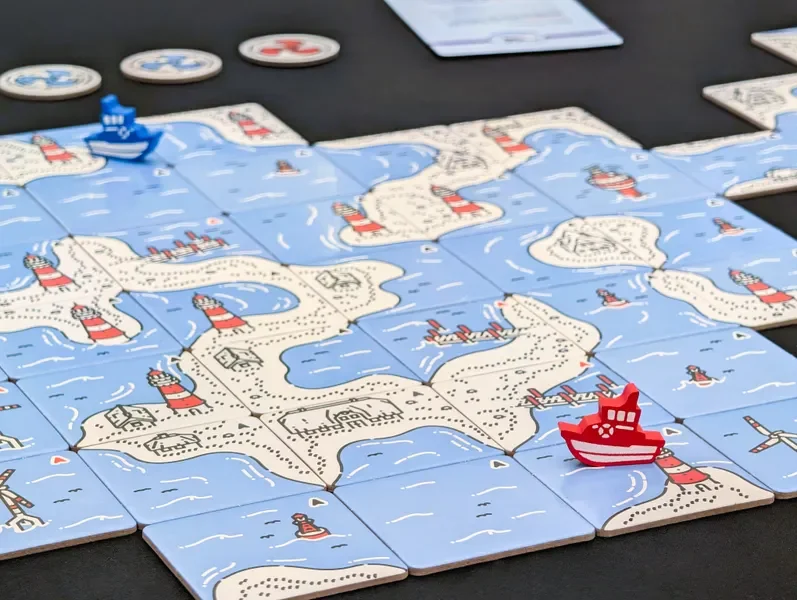
Work together to guide ships that explore and reveal a coastline made of diverse sea tiles. Place windmills and docks to boost points. Simple rules and rich conversations.
Catch the Moon
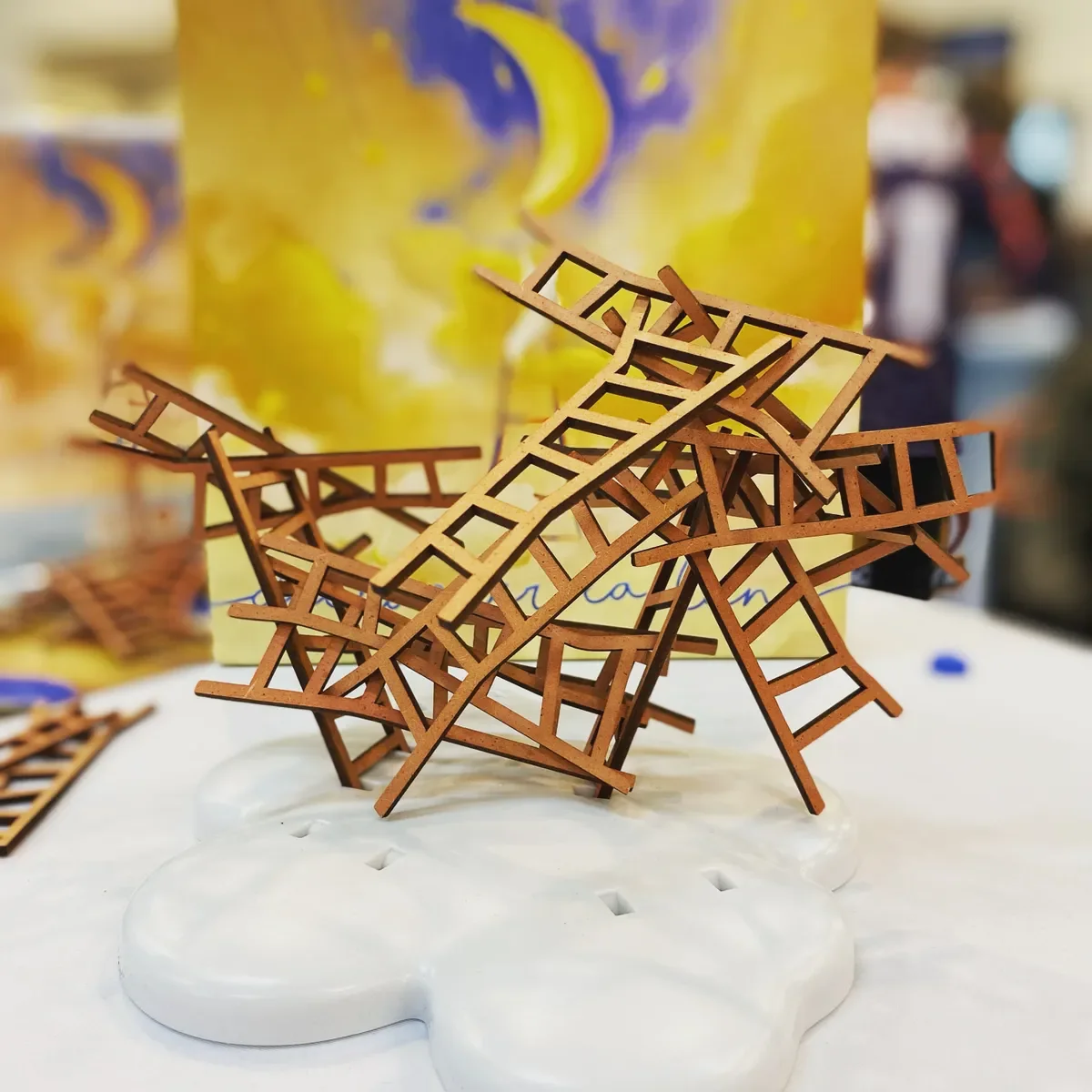
Stack wooden ladders to build an ever-growing structure reaching toward the moon. Use all the ladders to win together. Each game ends with a unique, picture-worthy sculpture.
F.I.T.S.
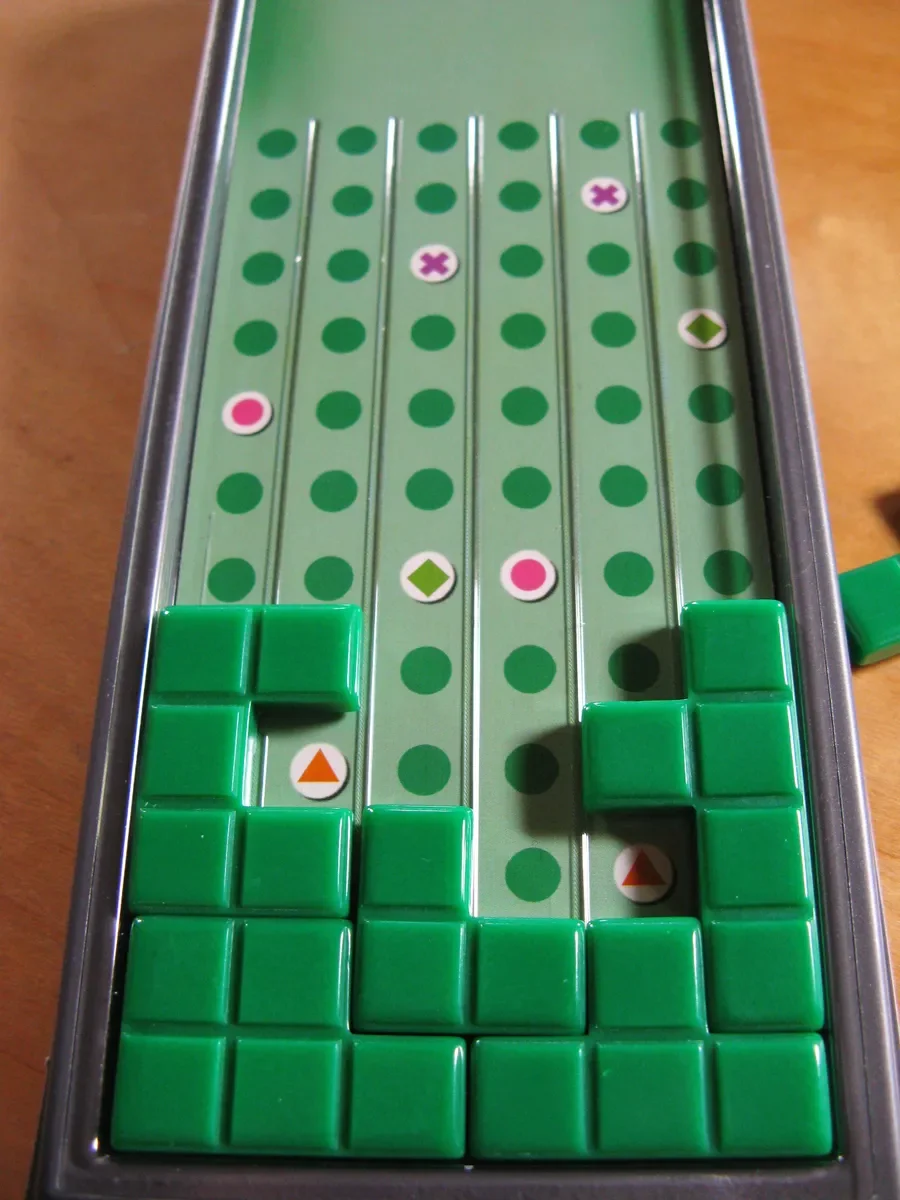
Flip, twist and slide pieces into patterns to score points. Rely on spatial reasoning and planning skills while enjoying the satisfying feeling of completing each Tetris-like puzzle.
Ghost Fightin’ Treasure Hunters
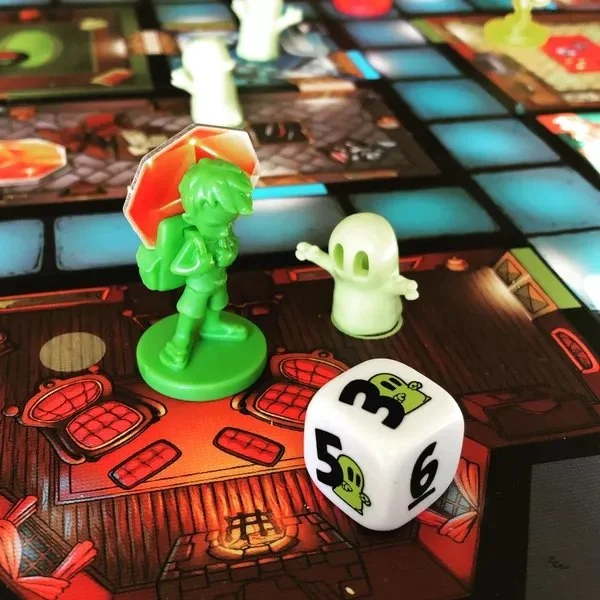
Exercise your collective planning skills to loot a haunted mansion while fighting ghosts. Grab treasure and eliminate ghosts. Fail, and the ghosts take all the treasure back.
Herbaceous
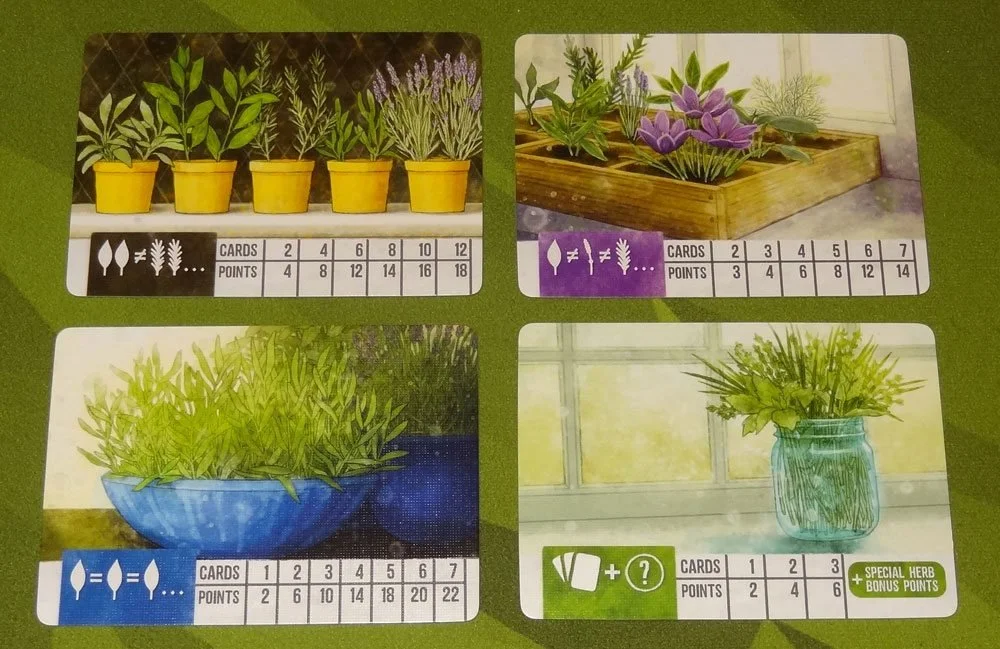
Gather herbs and plant them in beautiful collections to score the most points. The gentle pace promotes planning and satisfying strategic choices in a calming herb garden theme.
Kingdomino
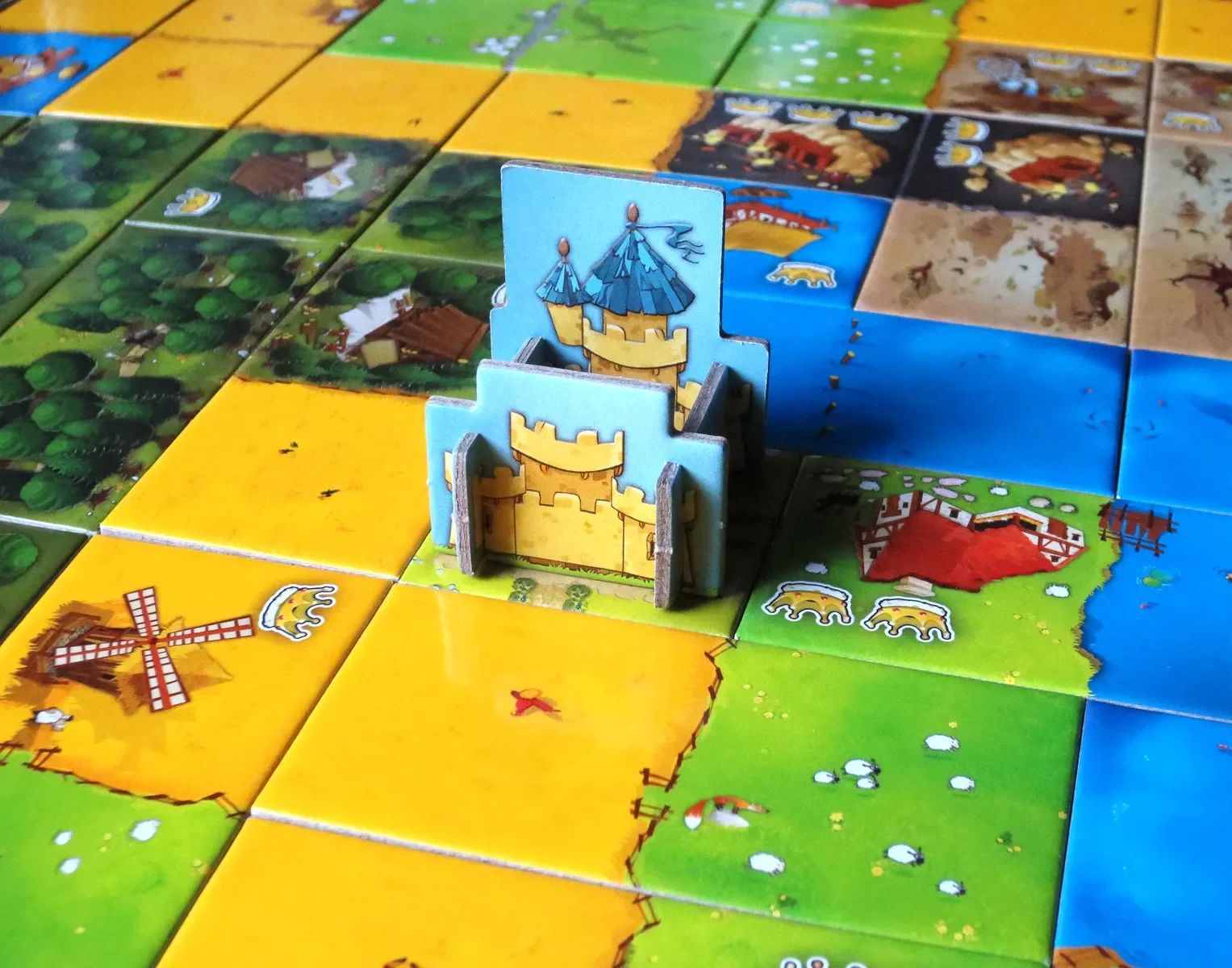
Match colorful domino-like tiles to build your beautiful kingdom and score points. Easy to learn and quick to play, it exercises your spatial thinking, planning, and decision-making.
Knit Wit
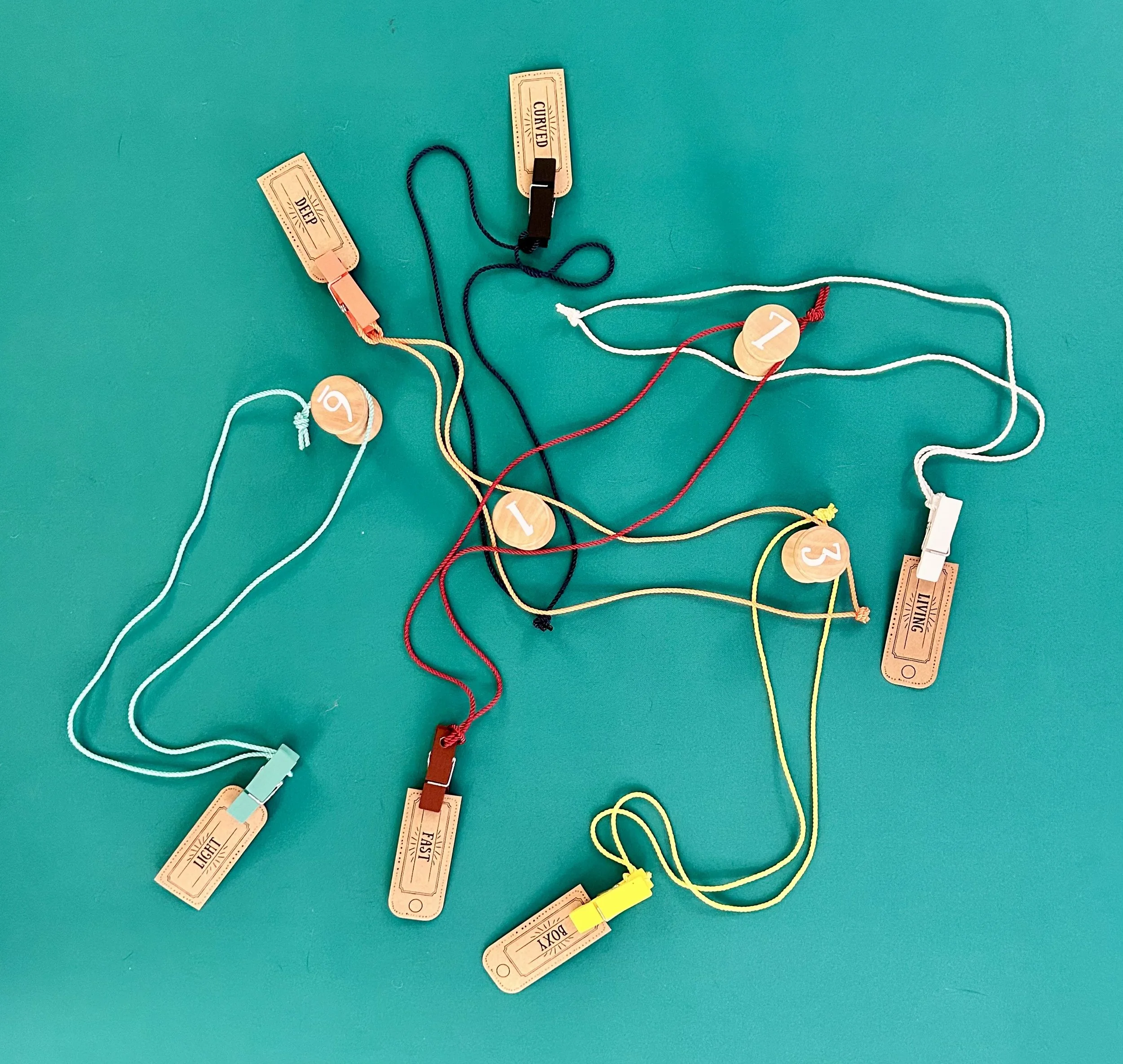
Colorful thread and large wooden spools create unique word combinations. Creative thinking and plenty of laughter follow, as players think outside the box.
Piece of Pie
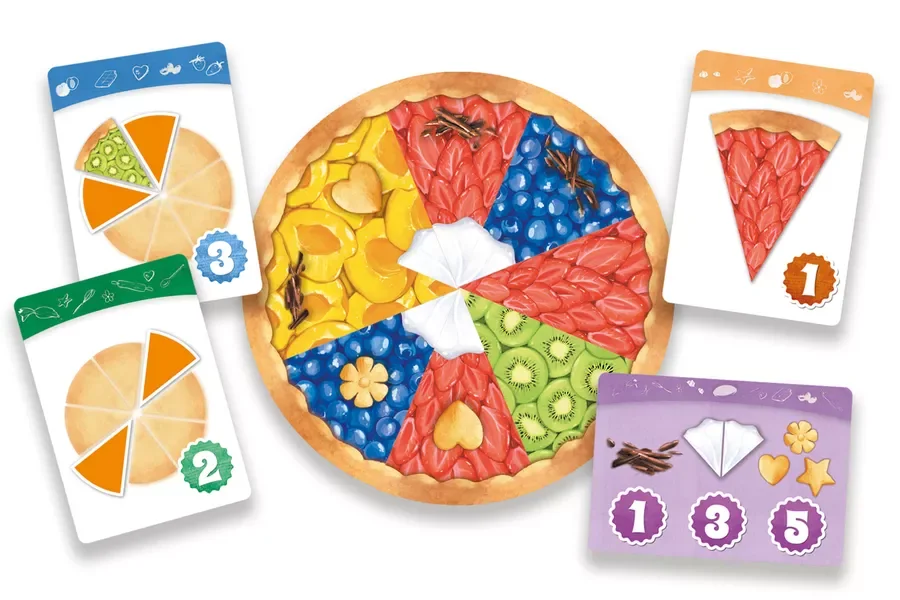
Arrange pie slices into the most appealing desserts. Planning, pattern recognition, and lighthearted competition help you create the most award worthy pie.
Potion Explosion
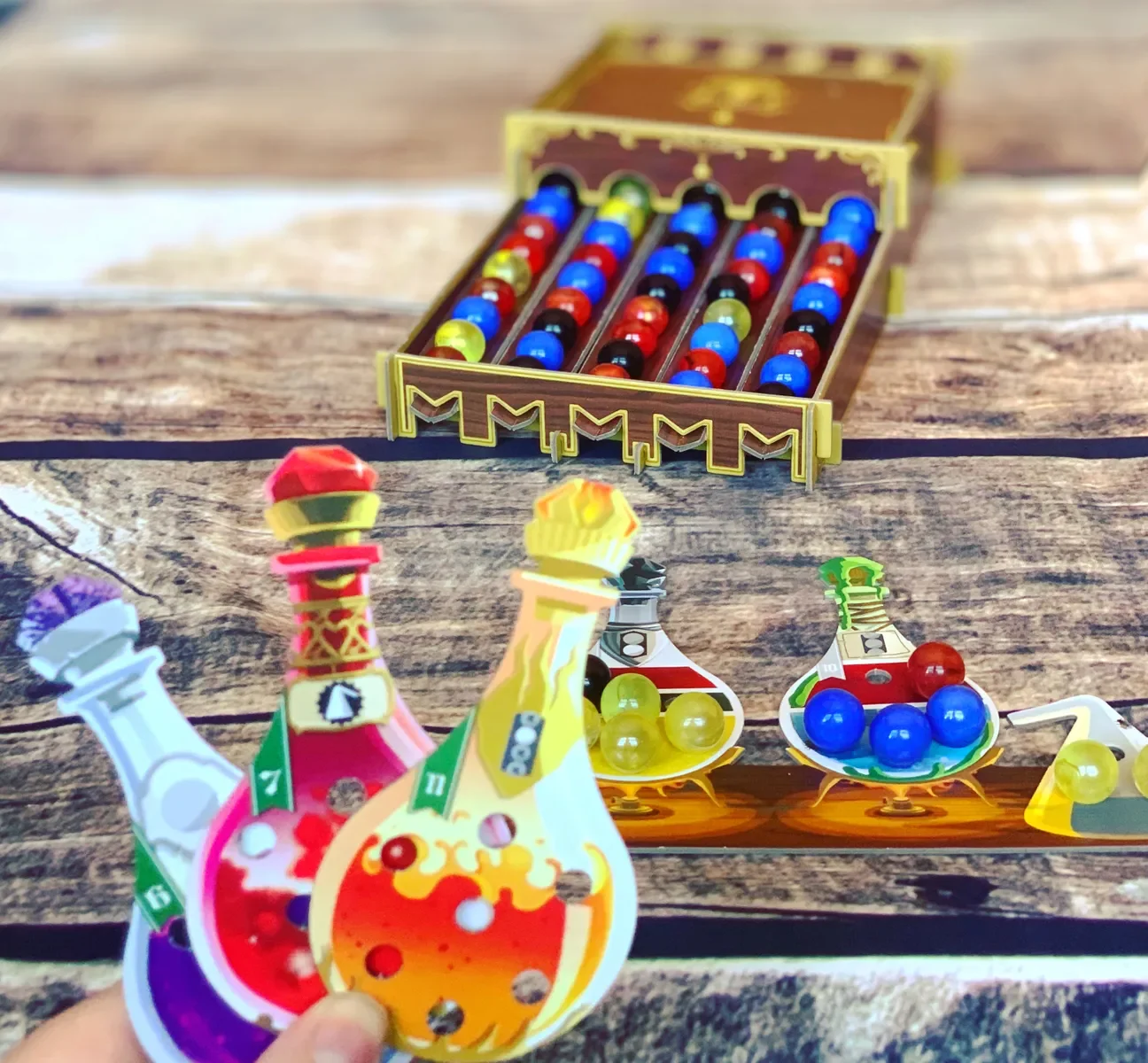
Collect colorful marbles to brew magical potions that score points. Satisfying “chain reaction” marble combinations deliver a delightful "toy factor" experience.
Reef
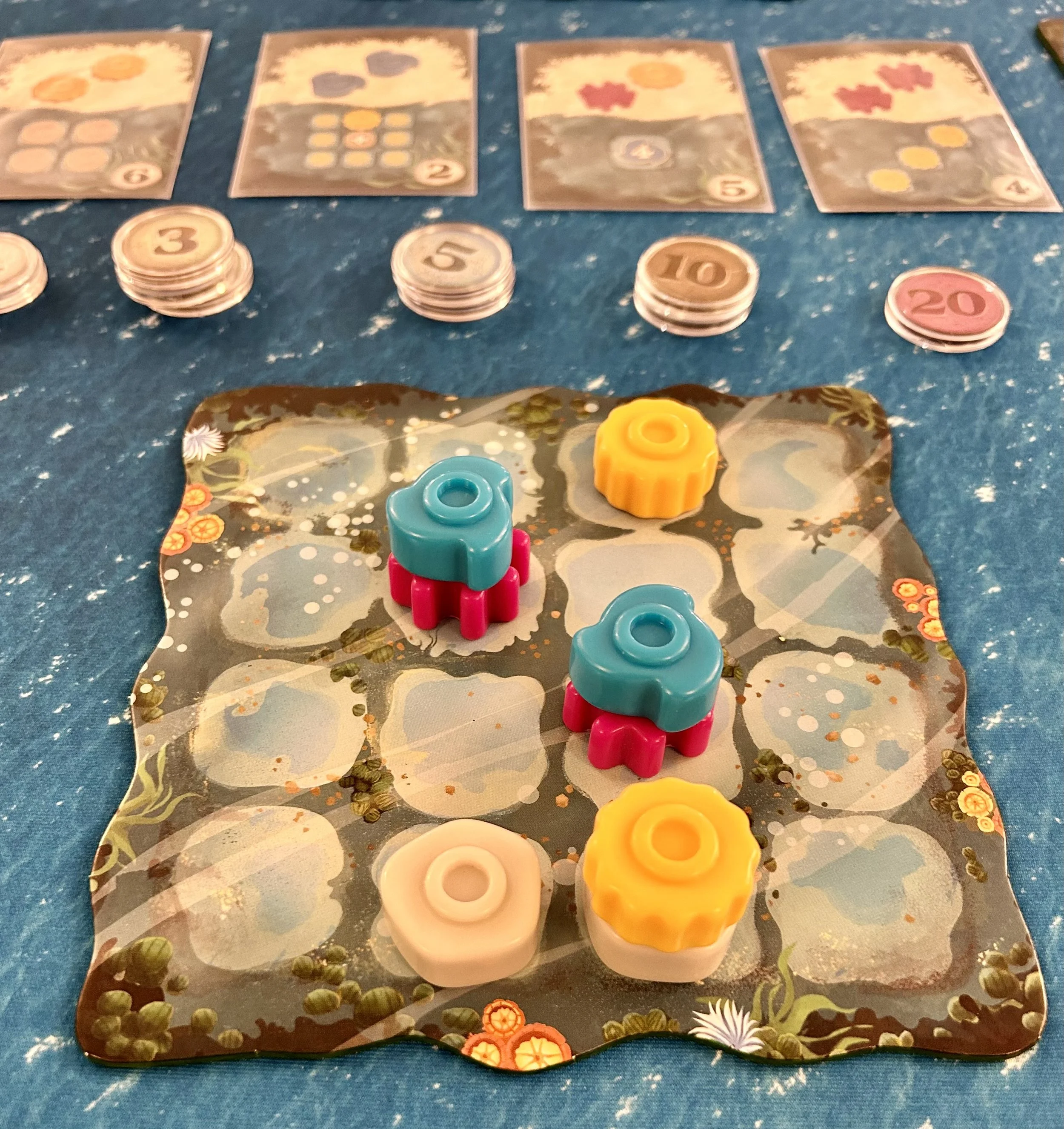
Your vibrant colorful reef takes shape through easy planning and pattern recognition. Every player finishes with a beautiful creation and a sense of accomplishment.
Wild Flowers
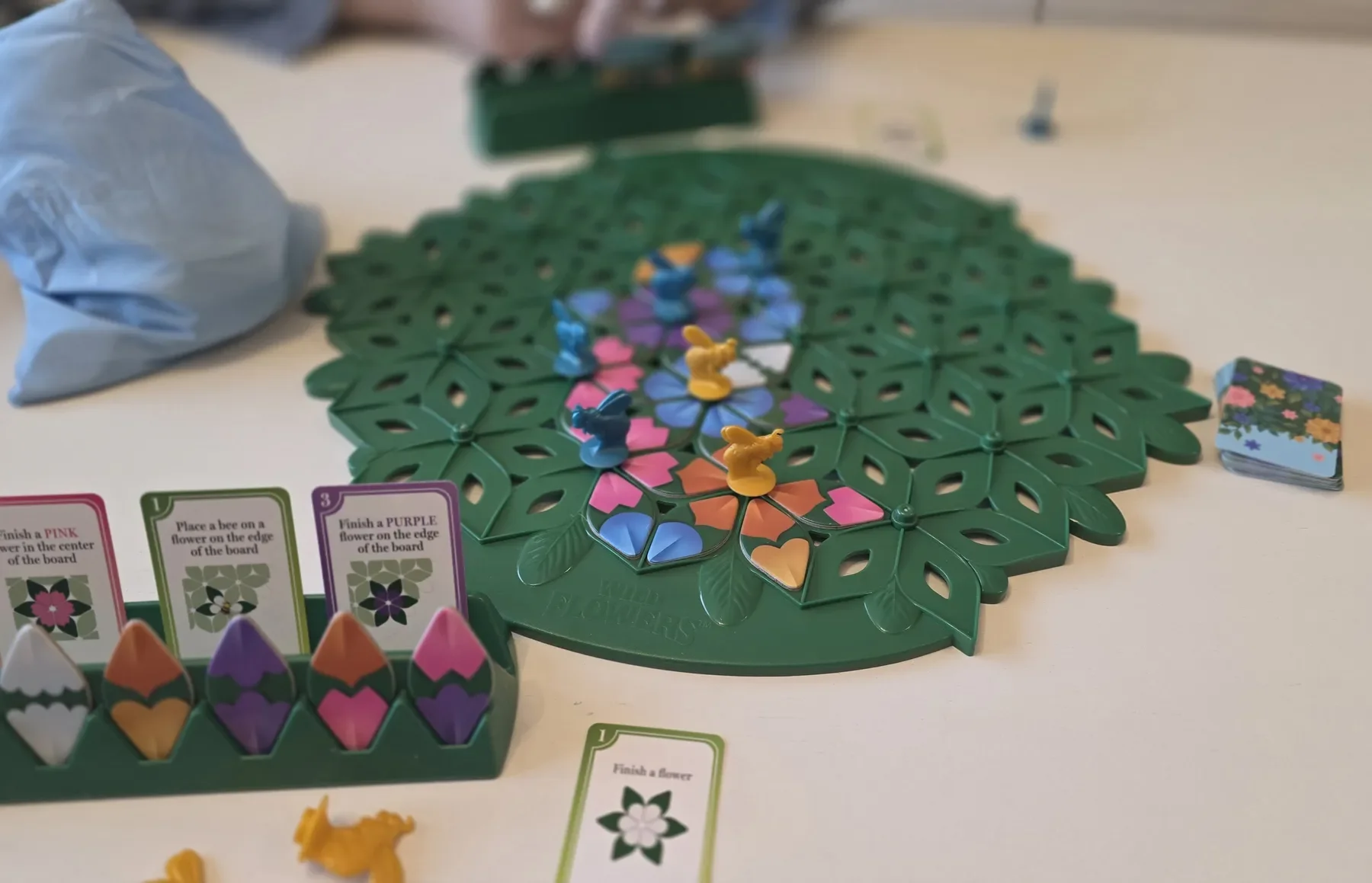
Arrange wildflowers into a beautiful meadow to attract the most bees. A relaxing pace and thoughtful choices encourage conversation about nature and gardening.
RESEARCH REFERENCES
Deary, I. J., et al. (2023).Playing Analog Games Is Associated With Reduced Declines in Cognitive Function: A 68-Year Longitudinal Cohort Study.The Journals of Gerontology
Verghese, J., et al. (2003).Leisure Activities and the Risk of Dementia in the Elderly.New England Journal of Medicine.
World Health Organization (2021).Social Isolation and Loneliness Among Older People: Advocacy Brief.
National Academies of Sciences, Engineering, and Medicine (2020).Social Isolation and Loneliness in Older Adults: Opportunities for the Health Care System.
